















Every few years, a new diet trend arrives and South Indians get the same advice: ditch the rice. And every time, millions of people feel guilty for something their grandparents ate daily and lived long, healthy lives eating.
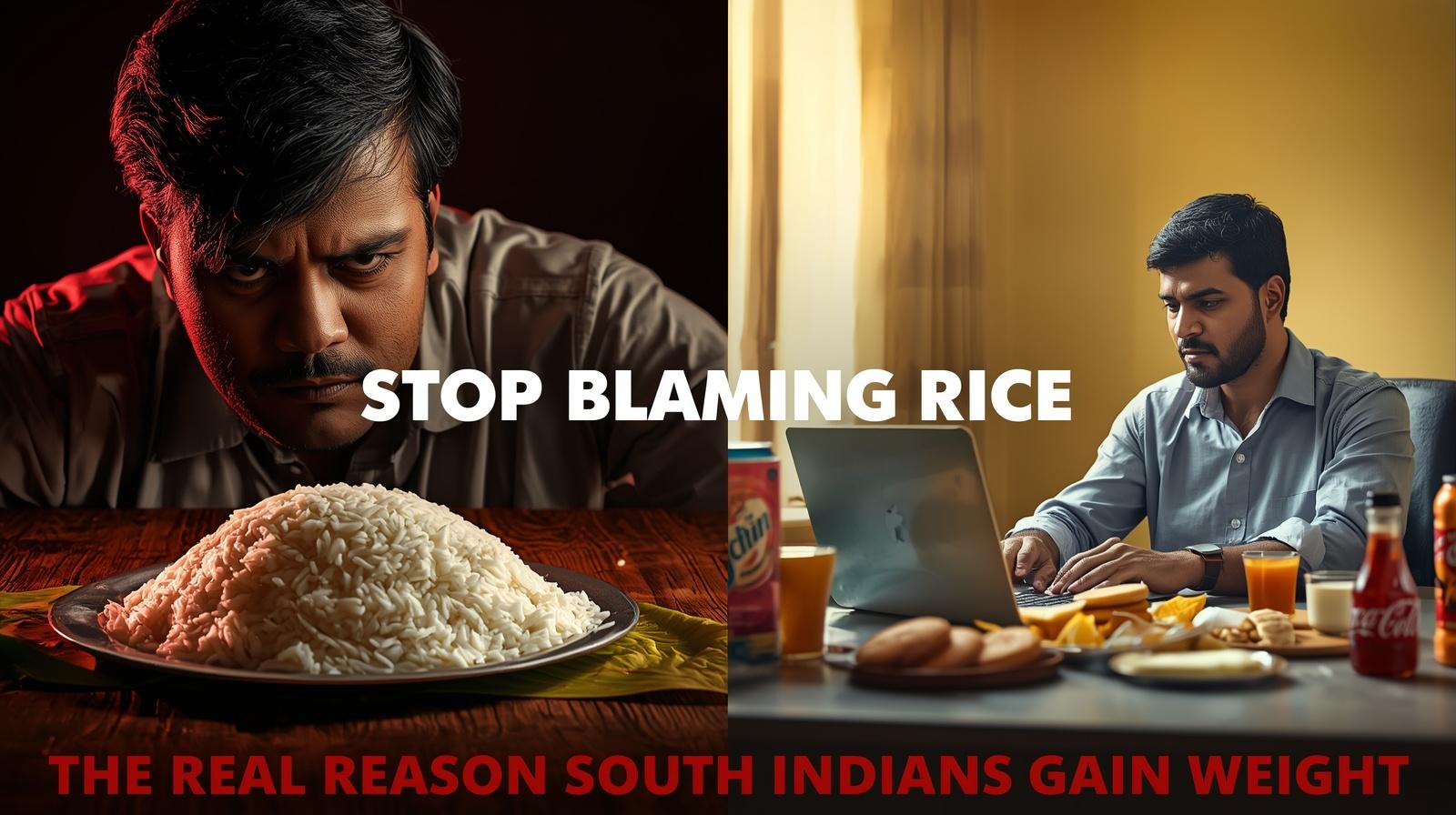
It’s time to put this argument to rest. Rice is not the reason South India has a rising obesity and diabetes problem. The real culprits are hiding in plain sight — in your morning tiffin box, your evening snacks, and the way you eat, not just what you eat.
This isn’t a defence of eating rice with zero thought. It’s an invitation to look at the full picture honestly, the way your body actually processes a South Indian meal.
Rice alone has never been the problem – what’s on it is
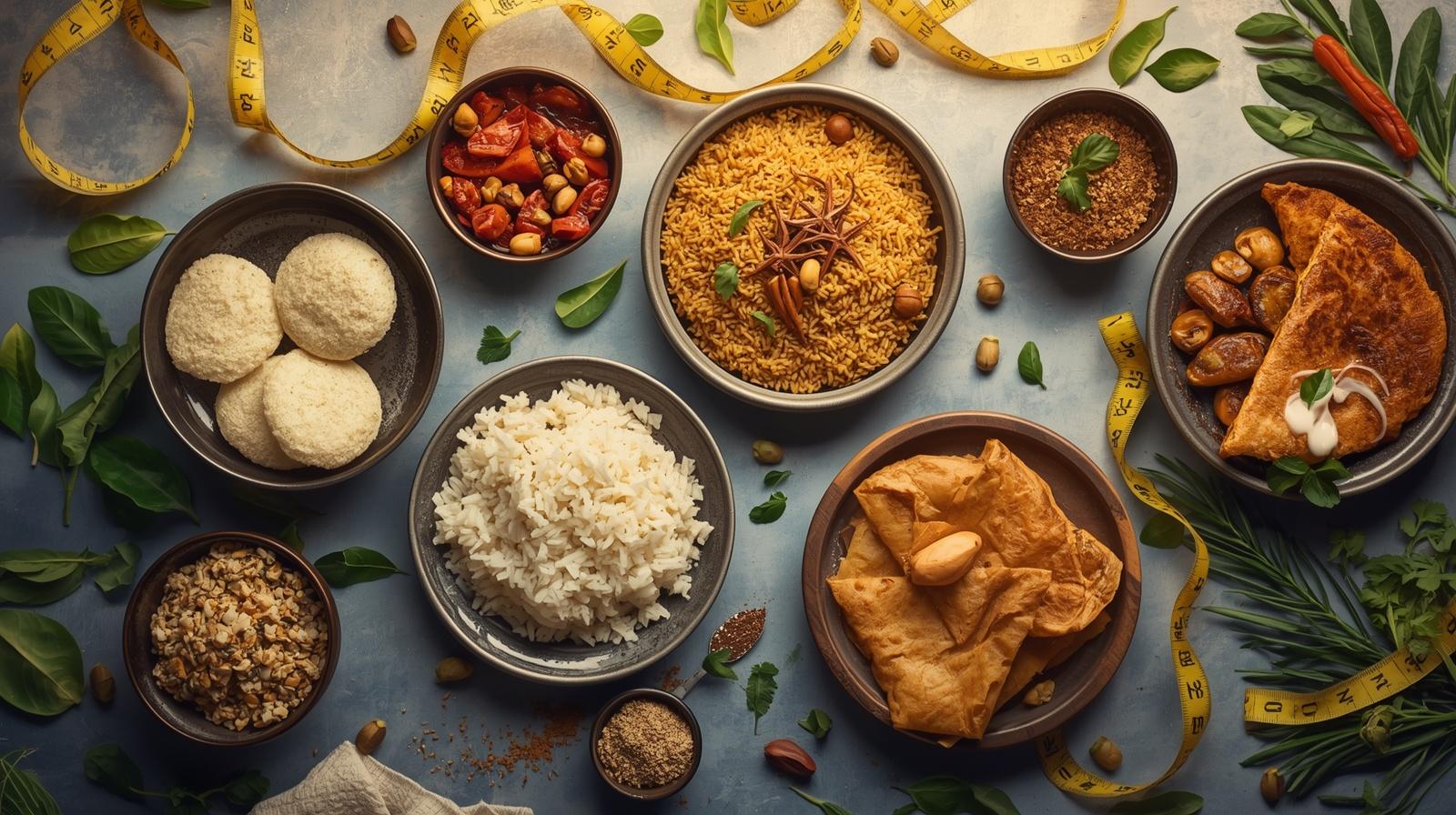
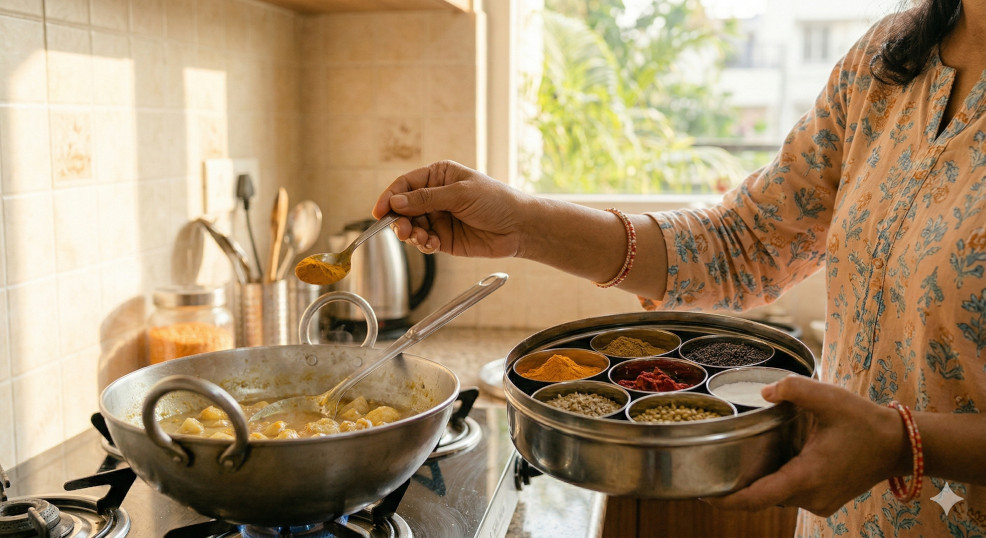
A traditional South Indian meal of plain rice with sambar, rasam, a vegetable kootu, and curd is one of the most nutritionally complete, calorie-efficient, and gut-friendly meals in the world. The dal provides protein, the rasam has digestive spices, the vegetable adds fibre, and the curd brings probiotics. Rice is just the vehicle.
The problem starts when that same rice gets replaced by — or loaded with — hotel-style gravies swimming in oil, coconut-heavy kurmas, deep-fried appalam by the handful, and fried rice varieties that bear no resemblance to home cooking.
When a Chennai hotel serves “meals,” the kuzhambu alone can contain 4–6 tablespoons of sesame or refined oil. That single bowl adds 500+ invisible calories to your plate and nobody blames the kuzhambu.

Japanese people eat white rice at every meal and have one of the lowest obesity rates in the world. The difference isn’t the rice — it’s the portion size, cooking methods, and what surrounds it. The grain is rarely the villain.
The real culprits hiding on your plate
-
- The breakfast problem — tiffin is not as light as it seems
Idli with sambar is genuinely healthy. But most South Indian breakfasts have evolved far from that. Masala dosa with a cup of coconut chutney and a side of puri? That’s 600–700 calories before 9 AM. The “healthy South Indian breakfast” reputation belongs to the traditional version — not the restaurant version that has become the norm.
-
- Cooking oil – the most undercounted calorie in Indian kitchens
A generous hand with oil is considered a sign of good cooking in most South Indian homes. But 3 tablespoons of sesame oil or coconut oil in a single dish adds nearly 360 calories — invisibly. Unlike rice, oil has no volume, no fullness signal, and no visible presence on your plate. It’s the single biggest untracked calorie source in South Indian cooking.
-
- Evening snacks – the 4 PM sugar and fry problem
Murukku, mixture, bondas, bajjis, sweet pongal as a “light snack” — South India has a rich tradition of deep-fried and sweet evening bites that is completely disconnected from the rice blame narrative. A small steel bowl of mixture from the nearby bakery can easily be 300–400 calories of refined flour and oil. These snacks rarely show up in any diet audit.
-
- Portion escalation – the “serve again” culture
In South Indian meals, refusing a second helping is almost an insult. The person serving insists, and refusing repeatedly feels socially uncomfortable. This cultural pressure to eat multiple servings — particularly of rice – is a real and underacknowledged driver. But the answer is not to cut rice. It’s to understand portion cues and learn comfortable, polite ways to say “sapditen, nandri.”
-
- The sedentary shift – our lifestyles changed, our food got the blame
Three generations ago, the same rice-heavy diet existed – but so did walking long distances, manual domestic work, farming, and much lower screen time. South India’s weight gain is closely correlated with urbanisation and reduced daily movement, not with any sudden increase in rice consumption. The rice didn’t change. Our bodies’ energy expenditure did.
What actually works without giving up rice
Eat rice last, not first
Start your meal with vegetables and dal. Eating fibre and protein first dramatically blunts the blood sugar spike from rice. This simple order change can reduce post-meal glucose response by 30–40%.
Audit the accompaniments, not the rice
Measure your cooking oil. Switch from hotel-style gravies to home-cooked sambar most days. The rice stays — the oily sides get moderated.
Cool and reheat your rice
Cooling cooked rice for a few hours and reheating it increases resistant starch significantly — meaning fewer calories are absorbed. Leftover rice is nutritionally superior to fresh-cooked rice for blood sugar.
Take the post-dinner walk seriously
The South Indian habit of a 15-minute walk after dinner is science-backed gold. It dramatically improves blood glucose management after a rice-based meal. Don’t skip it for a screen.
Reclaim the traditional breakfast
Idli-sambar over masala dosa. Upma over parotta. Home-made pongal over restaurant version. The traditional, less-oily breakfast options are the right default — not exceptions.
Snack audit before any diet change
Before cutting rice, spend one week tracking everything you eat between meals. Most people are shocked to discover their snack calories rival their full meals. Start there.
Conclusion
South Indian food culture is extraordinary built over centuries with deep nutritional wisdom, incredible variety, and flavour that the world is only beginning to discover. The rice is not the enemy. The enemy is the idea that one ingredient explains a complex problem.
Weight gain is always a calorie story. And in the South Indian context, that story is written not by the humble grain on your banana leaf, but by the excess oil, the after-dark snacking, the restaurant meals that have replaced home cooking, and the fact that we are simply moving far, far less than our grandparents did.
Eat your rice. Make the sambar at home. Go for that walk after dinner. And stop letting diet culture make you feel guilty about one of the world’s finest food traditions.