














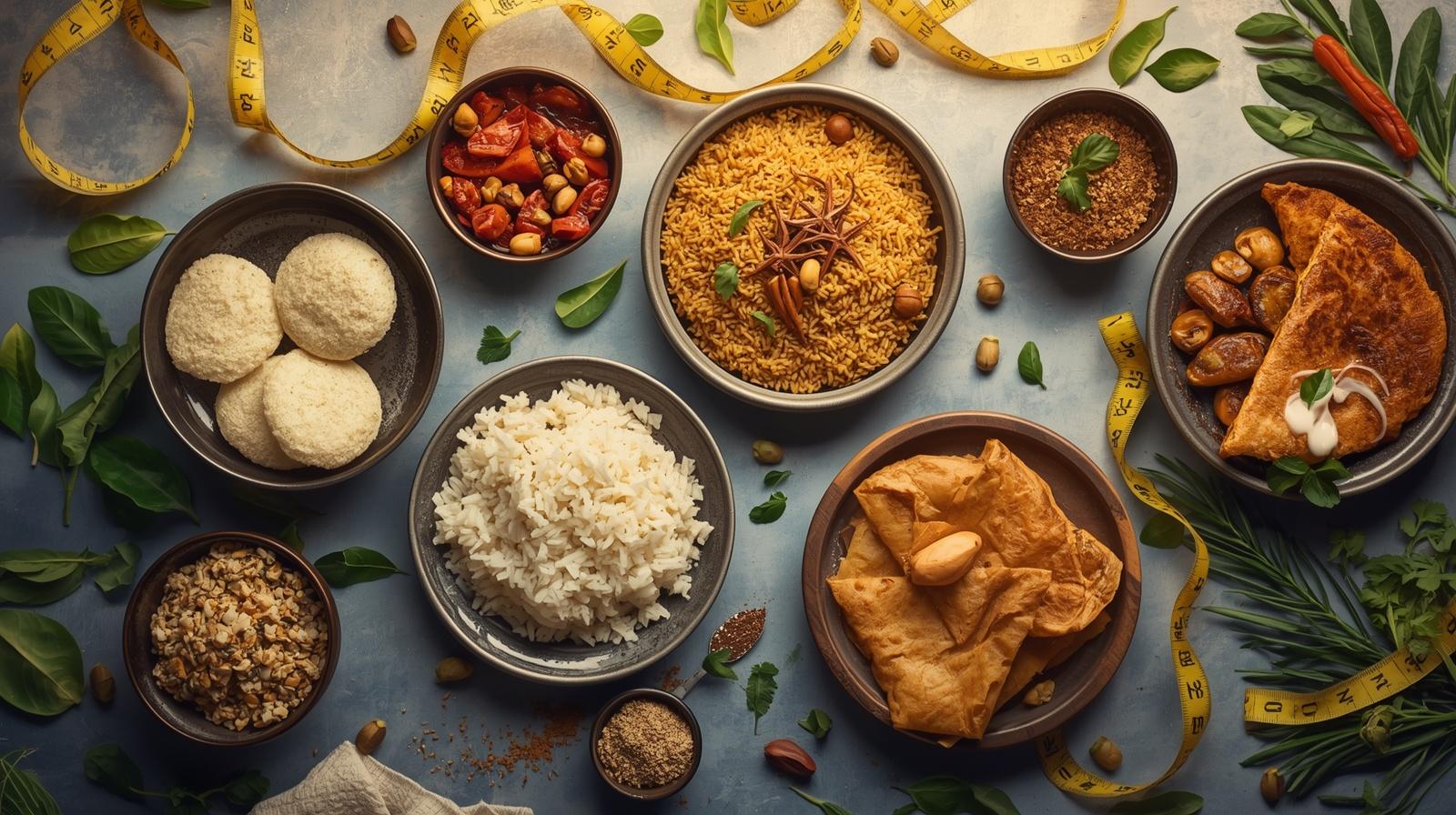



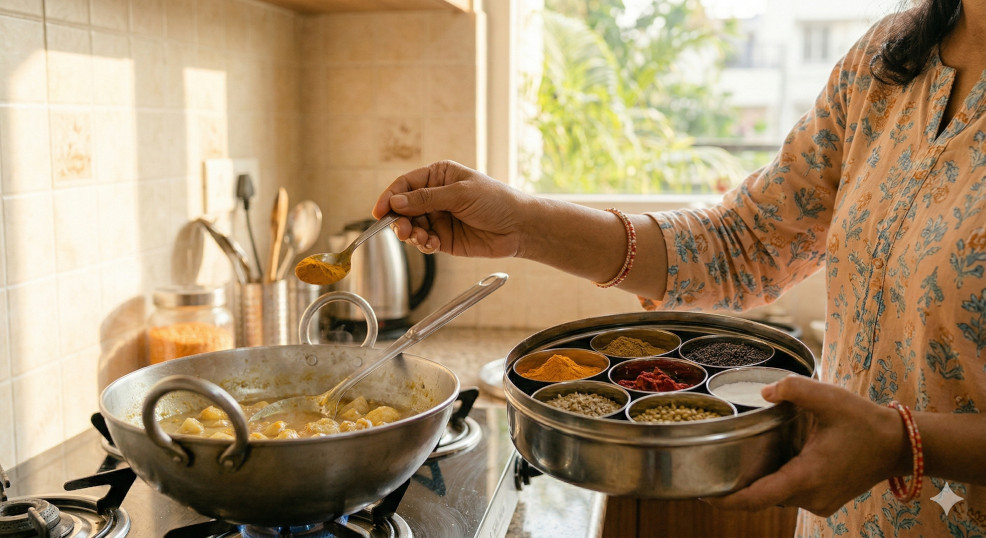





For decades, the vibrant, spice-laden plates of South India have been unfairly maligned as “carb-bombs” by the Western-centric fitness world. While global diet trends often push expensive supplements and foreign superfoods, the secret to sustainable fat loss has been quietly sitting in our grandmothers’ spice boxes all along. Traditional South Indian fare is not an obstacle to fitness; it is a meticulously designed system of metabolic health.
The goal of this post is to act as a nutritional synthesizer—distilling impactful, counter-intuitive takeaways from expert clinical plans and ancient Ayurvedic wisdom. By shifting our focus from the “heavy” perception of these dishes to the science of their preparation, we find a diet that is as effective for the waistline as it is for the soul.
1. The Steamed Superiority: Rethinking the Calorie Gap
When navigating a South Indian menu, the most powerful tool in your arsenal is an understanding of cooking methods. The classic comparison between an Idli and a Medu Vada illustrates this perfectly. While both rely on similar fermented bases, the caloric outcomes are worlds apart.
A single steamed Idli contains approximately 39 calories and is virtually fat-free. However, as an expert journalist would note, the magic isn’t just in the calories—it is in the composition. Idlis are a synergistic blend of rice and urad dal (black gram). This combination provides a superior protein-to-carb ratio compared to pure starch. To further manage the glycemic load and prevent insulin spikes, clinical experts at Fitterfly recommend pairing Idli with a vegetable-heavy sambar rather than consuming the grain alone.
The fermentation process further “supercharges” the meal, breaking down complex nutrients to make them easily digestible and bioavailable.
2. Metabolic-Friendly Grains: The Rise of “Little Millets”
The heavy reliance on polished white rice is often the culprit behind weight stagnation. However, the South Indian pantry offers a “weight loss weapon” in the form of millets—specifically Foxtail, Kodo, and Barnyard varieties.
Swapping rice for these millets transforms your meal into a low-glycemic powerhouse. Unlike refined white rice, which can cause rapid insulin spikes that signal the body to store fat, millets provide blood sugar stability. Their high fiber content ensures “metabolic friendliness” by slowing digestion and providing prolonged satiety. By making this simple grain swap, you aren’t just eating fewer calories; you are fundamentally changing how your body processes energy.

3. Pesarattu: The Skin-On Protein Powerhouse
While the world chases protein shakes, the Andhra kitchen offers the Pesarattu. This green moong dal dosa is a superior alternative for those seeking muscle maintenance and fat loss.
Unlike the standard rice dosa, Pesarattu is made from whole green gram. By keeping the skin on the lentil, you retain a massive amount of fiber that is lost in de-husked varieties. Because it requires no fermentation, it serves as a quick, high-protein fix. Crucially, traditional preparation includes ginger and cumin in the batter, often paired with Allam Pachadi (Ginger Chutney). This combination isn’t just for flavor; ginger is a thermogenic agent that aids digestion and prevents the “heavy” feeling or heartburn often associated with pulse-heavy meals.
4. The Ancient Fat-Burner: Horse Gram (Kollu)
If there is one “secret” ingredient in the South Indian weight loss toolkit, it is Kollu, or Horse Gram. Long used in rural medicine, it is a “nutritious rich” legume that provides what Ayurvedic practitioners call “body warmth”-a thermogenic effect that supports the body’s natural fat-burning processes.
A brilliant “Expert Journalist” tip for the modern kitchen: when making Kollu Sundal (a dry stir-fry), never throw away the water used to pressure-cook the gram. This nutrient-dense “cooking water” is the perfect base for a weight-loss-friendly Rasam. This allows you to extract the medicinal value of the legume into two separate, low-calorie dishes that promote fullness and metabolic heat.
5. Liquid Gold: Ayurvedic Decoctions for Fat Metabolism
In the South, metabolic health isn’t just about food; it’s about the “water extracts” known as Kashayams. Ancient formulas like Varadi Kashayam and Varanadi Kashayam act as metabolic boosters by specifically targeting “meda tissue” (excess fat) and improving Agni (digestive fire).
The authority of these teas lies in their herbal components. Varanadi contains the powerful herb Varana, while Varadi is powered by Triphala—a legendary Ayurvedic staple known for internal cleansing and weight management. These decoctions serve as natural supplements, helping to harmonize the body’s systems and prevent the weight stagnation that often occurs with modern, sedentary lifestyles.
6. The 80% Rule and the Power of the Small Plate
Even the most medicinal ingredients lose their efficacy if the eating habits remain chaotic. Ancient wisdom and modern clinical advice (from experts at Paras Hospital) converge on a few “Golden Rules” that bridge the gap between nutrition and lifestyle:
- Portion Control & The Small Plate: Research shows that using smaller plates naturally reduces intake. Use the “80% Rule”—stop eating the moment you feel 80% full, allowing your brain time to register satiety.
- The Dinner Deadline: Align your metabolism with the sun. Finishing your final meal by 8:00 PM ensures your body spends the night repairing tissue rather than processing a heavy load of glucose.
- Protein Anchoring: Never let a meal be “carb-only.” Anchor every plate with a protein source like dal, sprouts, or eggs to maintain steady energy levels and avoid the mid-day crash.
Conclusion: Your Kitchen is Your Clinic
The path to your healthiest self doesn’t require a radical departure from your heritage. Traditional South Indian foods—from vegetable-dense sambars to fiber-rich sundals—are inherently designed for balance. By making intentional swaps (steaming over frying, millets over white rice, and whole grains over refined ones), you transform your kitchen into a clinic.
If the secret to your healthiest self has been sitting in your grandmother’s spice box all along, what is the first small swap you will make tomorrow morning?